
Introduction
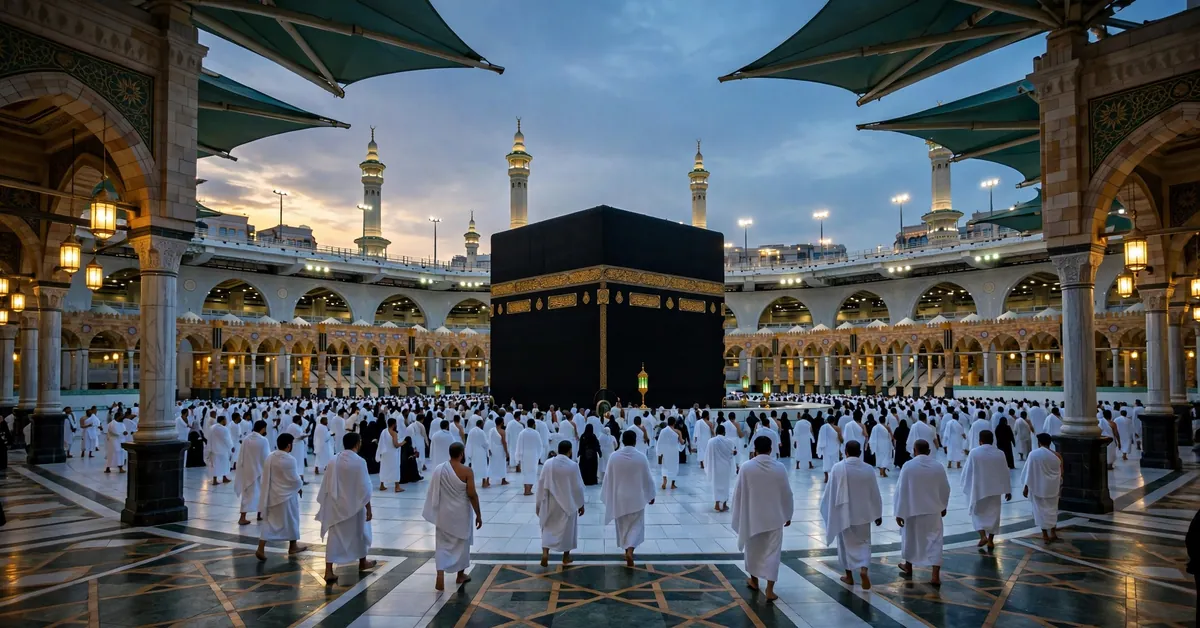
Every pilgrim from Dubai asks the same question before booking: when is the best time to go for Umrah? The answer depends on what matters most to you. Some people want the coolest weather. Some want the lowest price. Some want to be in Makkah during Ramadan. There is no single perfect month for everyone, but there is a best month for you.
This guide compares the best time to perform Umrah from Dubai by weather, crowds and prices, so you can pick the right month for your family, your health and your budget. It is written for UAE residents travelling from Dubai, Sharjah, Abu Dhabi and Ajman.
Best Time at a Glance, by Who Is Travelling
If you want the short answer first, use this table, then read the sections below for the detail behind it.
| Who is travelling | Best months | Why |
|---|---|---|
| Most pilgrims, first time | November to February | Mild weather, comfortable walking and prayer |
| Families with children | November, late February | Cool weather, lower prices than December |
| Elderly parents | November to February, outside school holidays | Mild weather, easier Tawaf and walking |
| Budget travellers | June to September | Lowest prices, quieter Haram, but very hot |
| Ramadan seekers | Ramadan, book months ahead | Greatest reward, busiest and most expensive |
| First Umrah, then Ramadan later | A quiet month first, Ramadan another year | Learn the rites in calm conditions, then return |
Why the Month You Choose Matters
Umrah can be performed at any time of year, except during the days of Hajj. That freedom is a blessing, but it also means the experience changes a lot from one month to the next. In summer, Makkah is very hot, and the crowds are smaller. In the cooler months, the weather is comfortable, but more pilgrims travel, so hotels and flights cost more. During Ramadan, the reward is greatest, and so are the crowds and the prices.
Three things change with the month: the weather, the number of pilgrims, and the price of your package. If you understand those three things, you can choose well. A family with small children needs different weather from a young couple on a budget. An elderly pilgrim needs different conditions from a group of friends. The sections below help each type of traveller decide.
Weather in Makkah and Madinah Through the Year
Makkah and Madinah have a desert climate. Summers are very hot and dry. Winters are mild and pleasant. There is very little rain at any time of year. The difference between the hottest and coolest months is large, so the season you pick shapes your whole trip.
Summer: June to September
Summer is the hottest time of year in Makkah and Madinah. Daytime temperatures in Makkah often reach around 45 degrees Celsius or higher on the hottest days (approximate). The heat is dry, but it is still tiring, especially for children and elderly pilgrims. Walking between the Haram and your hotel, and standing in the sun during the day, takes more energy in summer.
The good side of summer is that fewer pilgrims travel, so the Haram is less crowded, and package prices are usually at their lowest. If you can handle the heat, drink plenty of water, rest during the hottest hours, and plan your prayers for the early morning and evening, summer can be a good budget choice. Many pilgrims perform Tawaf and prayers at night in summer, when the temperature drops.
Cooler Months: November to February
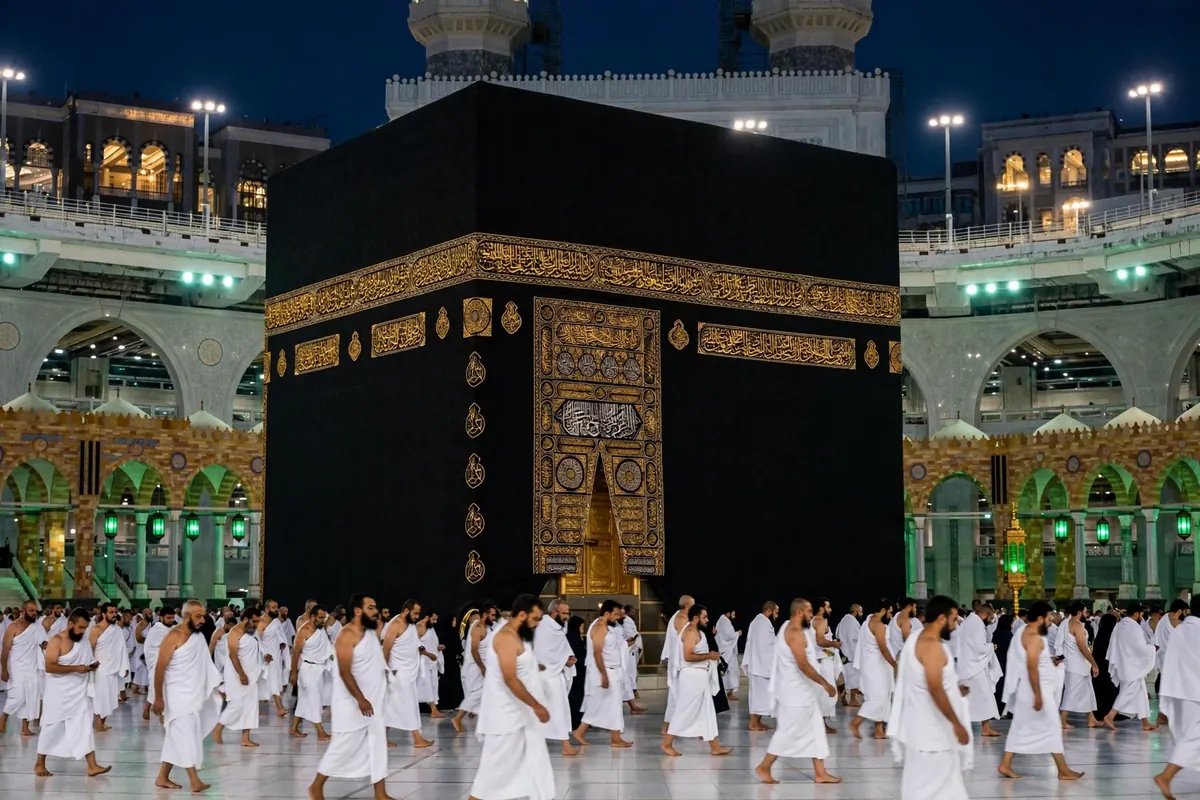
November to February is the most comfortable time to perform Umrah. Daytime temperatures in Makkah are usually in the high 20s to low 30s Celsius (approximate), and evenings are pleasant. Madinah is similar, and nights there can feel cooler in winter, so a light jacket is useful for Fajr prayers.
This is also the busiest season. Families travel during the winter school break, and pilgrims from all over the world choose these months for the weather. Expect larger crowds at the Haram, longer queues, and higher package prices. Book early if you want to travel in December or January, because the best hotels fill up first.
The Months in Between: March to May and October
March to May and October sit between the two extremes. The weather is warm but not at its worst. March and October are usually comfortable, while April and May grow hotter as summer approaches. Crowds are moderate, and prices sit between the summer low and the winter high. For many pilgrims, October and March are the best balance of all: good weather, manageable crowds, and fair prices.
Ramadan: The Most Rewarding and the Busiest Month
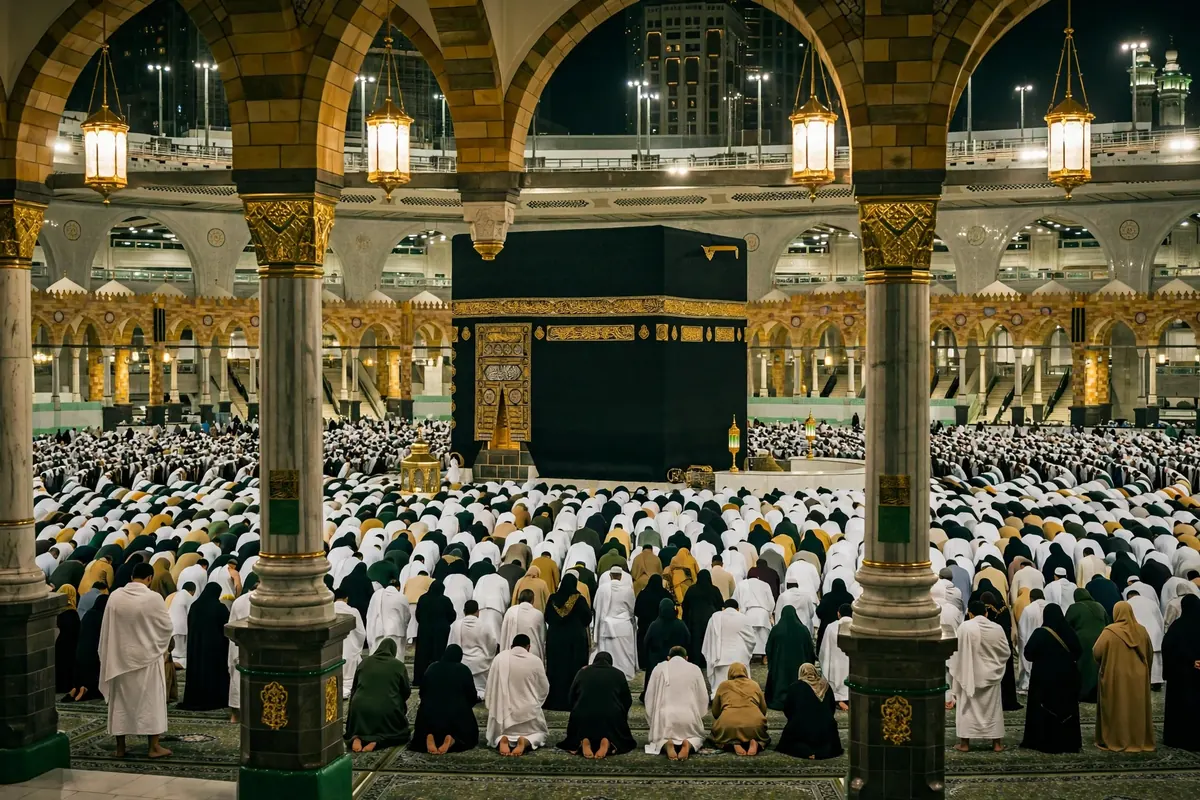
Ramadan is the most special month to perform Umrah. The reward of worship is multiplied, the Haram is full of worshippers day and night, and the last ten nights, including Laylat al-Qadr, are a time many pilgrims dream about. For that reason, Ramadan is also the busiest and most expensive time to travel.
Prices rise sharply in Ramadan, especially in the last ten nights. Hotels near the Haram are booked months ahead, and flights fill up fast. If you want to go in Ramadan, book as early as you can. UAE Umrah closes bookings 10 days before departure, so do not leave it to the last week.
Ramadan follows the Islamic lunar calendar, so it moves to a different month each year. Check the confirmed dates before you plan around it. This guide does not state an exact Ramadan date, because the date is confirmed by moon sighting and is not confirmed in the research for this guide.
Ramadan in Three Parts: First, Middle and Last Ten Nights
Ramadan is not one single block of crowds and cost. The three parts feel different.
First ten days: the Haram is busy, but slightly less crowded than the last ten nights. Fasting while travelling is still tiring, especially for children and elderly pilgrims. Families often choose these days for a first Ramadan Umrah, because the pace is a little calmer and the price is usually lower than the last ten nights.
Middle ten days: crowds build as more pilgrims arrive. Prayers are longer, nights are fuller, and hotels near the Haram are hard to find at short notice. Plan your rest in the afternoon, and keep your days simple.
Last ten nights: the busiest and most expensive part of Ramadan. Many pilgrims come only for these nights, for Laylat al-Qadr and for I’tikaf. If this is your goal, book four to six months ahead if possible, and expect the highest prices of the year. If your main goal is comfort and a lower price, pick another month, or pick the first ten days instead. See our Ramadan Umrah Packages for the current Ramadan options.
Be honest with yourself about Ramadan. It is the most rewarding month, and also the hardest physically, the hardest to book, and the least forgiving for elderly parents and small children. A first Umrah in a quiet month, then a return in Ramadan another year, is a good plan for many families.
Off-Peak Months: The Cheapest Time to Travel
Off-peak means the months when fewer pilgrims travel. The cheapest months are usually the hot summer months, from June to September, when the heat keeps many people away. Prices are lower because hotels and airlines have more empty seats and rooms.
Our cheapest packages run in the off-peak season. By bus, packages start from AED 1,200 per person on quad sharing, for 6 days in Makkah and 2 days in Madinah. By air, packages start from AED 2,700 per person on quad sharing in economy with no breakfast, for 3 nights in Makkah and 2 nights in Madinah, on a direct flight every Tuesday. Both options include visa support and application guidance. The air package also includes the return airline ticket, transfer in KSA, an Umrah lecture, the Haramain train journey, an experienced guide, Jumu’a at Makkah, a holy places visit, and Zam Zam water.
Off-peak travel suits budget travellers and young, healthy pilgrims who do not mind the heat. It does not suit everyone. If you are travelling with small children or elderly parents, the money you save is not worth the strain of the summer heat. For a full price comparison, read our guide to cheap Umrah packages from the UAE.
One more thing about off-peak travel: Umrah is not performed during the days of Hajj. Hajj takes place once a year, and Umrah pilgrims do not travel in those days. Check the Hajj dates before you book a trip around that time of year. Saudi Arabia pauses Umrah visas for several weeks around Hajj each year, and the dates are set annually by the Saudi Ministry of Hajj and Umrah. The pause moves each year because the Islamic calendar is lunar, so check the confirmed dates before you plan around it.
The Quiet Windows: Sweet Spots in the Year
Not every cheap month is hot, and not every cool month is crowded. A few windows give you both: fair weather and fewer pilgrims.
- Mid October to mid November: the heat has eased, the summer crowds are gone, and the December peak has not started yet. This is one of the best value windows of the year.
- Mid January to early February: the school break crowds have gone home, the weather is still mild, and prices ease. This is the other sweet spot, and it suits families who can travel outside the school holidays.
- Late September: the weeks after Hajj reopen for Umrah, and the Haram is quieter than in the peak months. It is still warm, so plan your prayers for the cooler hours.
- Second half of November: away from Ramadan and school holidays, this is a calm window with mild weather.
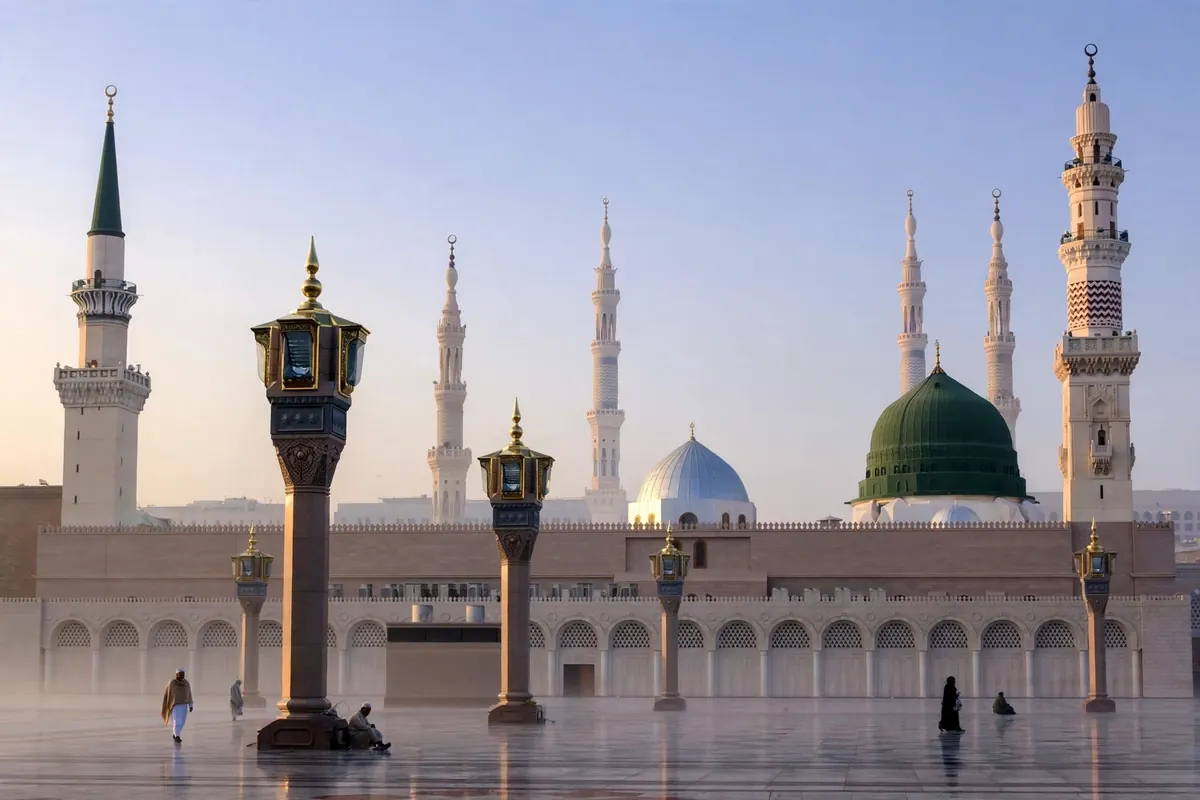
If your dates are flexible by one or two weeks, shifting a December trip to November or late January can save you money and crowds without losing the good weather.
School Holidays and UAE Public Holidays
School holidays and public holidays push prices up, because many families travel at the same time. The December winter break is the biggest one. Families with children often have no choice but to travel then, and hotels know it, so prices are at their highest.
The spring break and the long summer break also raise demand, though the summer heat keeps the total numbers lower than in December. UAE public holidays, such as the National Day break, create short, sharp peaks. If you can travel outside these holidays, you will usually pay less and find quieter hotels.
If you must travel during a school holiday, book early. Our December departures sell out first, and the best hotels near the Haram go quickly. A 50 percent down payment secures your booking, and the balance is due before travel.
For families who can shift by a week or two, the weeks just before or just after a school break often give you almost the same weather at a lower price. Early December, before the break peaks, and late January, after the break ends, are the two windows families ask about most.
Best Time of Day Inside the Haram
The month is only half the choice. The time of day changes your Umrah as much as the month does.
The best time of day to perform Umrah is late at night, after Isha, or in the hours after Fajr, when the Haram is calmer and the weather is cooler. In summer, night and early morning are the only comfortable times to walk outside. Avoid the peak hours from 5pm to 9pm, when Maghrib and Isha draw the biggest crowds.
Within any day, Tawaf is easiest late at night and in the hours after sunrise, when fewer pilgrims are in the Haram. Around the five daily prayers, and on Friday for Jumuah, the Haram fills up fast, so plan to arrive early or to pray and then rest until the crowds ease. If you are travelling with children or elderly parents, plan your Tawaf for the quiet hours, and keep the middle of the day for rest, food and sleep.
Heat Safety: Planning for Hot Months
If you travel in the hot months, plan for the heat before you leave Dubai. This is general planning guidance, not medical advice. If you have a health condition, ask your doctor before you travel.
- Perform Tawaf and Sa’i at night or early in the morning, and rest during the hottest hours of the day.
- Drink water often, and carry a water bottle in your day bag.
- Wear light, loose clothes, a hat, and sunscreen. Read our Umrah Packing List from Dubai for what to pack for hot weather.
- Rest in the shade or in air conditioned spaces between prayers, and do not try to do everything in one day.
- Watch children and elderly parents closely in the heat. If anyone feels dizzy, tired or unwell, rest at once and tell your guide.
- Keep your medicines in hand luggage, and keep a copy of your prescriptions with you.
Summer heat is the reason the summer months are cheap and quiet. If you respect the heat, you can still have a good Umrah in summer. If you ignore it, the heat will shape your whole trip.
Best Time for Families, Elderly Pilgrims and Budget Travellers
Families with Children
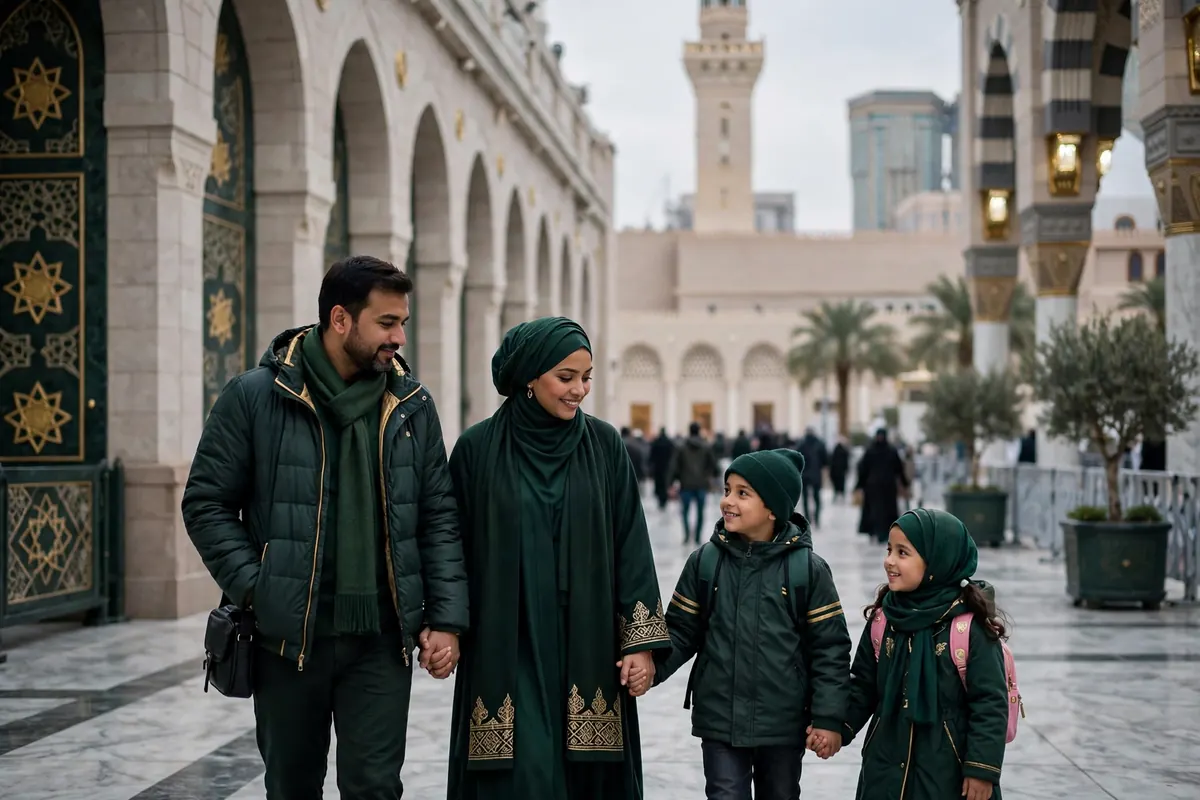
The best months for families are November to February, when the weather is cool enough for children to walk and wait comfortably. December is the most popular, but it is also the most expensive, so November or late February can give you the same weather at a lower price. Avoid the peak summer heat with small children. Pack light clothes, hats, sunscreen and water bottles, and plan rest breaks between prayers.
Elderly Pilgrims
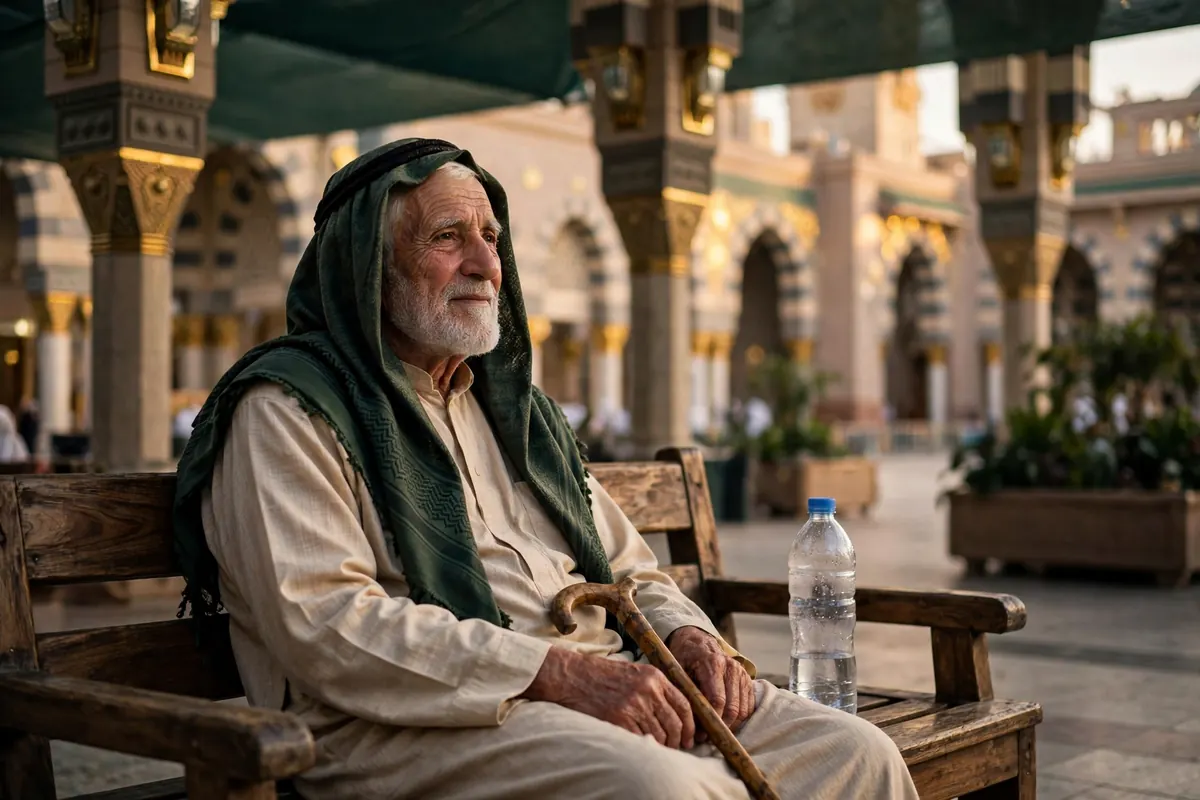
For elderly pilgrims, weather matters more than price. Choose the cooler months, from November to February, and avoid June to September completely. Travelling by air is easier than the long bus journey, because the flight is direct and the trip is shorter. Our air package runs every Tuesday, with 3 nights in Makkah and 2 nights in Madinah. Take your medicines in hand luggage, keep a copy of your prescriptions, and tell your group leader about any health needs before you travel. See the Umrah package by air from Dubai for the weekly departure.
For elderly pilgrims, November to February is the best time for Umrah, outside the school holiday peak. The mild weather makes Tawaf, Sa’i, and walking between the hotel and the Haram easier. Avoid June to September, and avoid Ramadan crowds. Travel by air, choose a hotel near the Haram, and perform rituals late at night or after sunrise.
Budget Travellers
If price is your first concern, travel in the off-peak summer months, from June to September. The bus package, from AED 1,200 per person on quad sharing, is the cheapest way to go. Travelling in a group of four and sharing a room keeps the price at its lowest. Book early, avoid Ramadan and school holidays, and be flexible with your dates. A Tuesday departure by air can also be good value outside the peak season.
Bus or Air: Which Season Suits Which
No guide for UAE pilgrims should treat bus and air as the same, because the season changes which one works better.
Bus suits the cooler months best. The road journey is long, so cool weather makes it far more comfortable. A bus trip in November to February, with 6 days in Makkah and 2 days in Madinah, gives you time to rest between the journey and the rites. In summer, the same long journey in the heat is much harder, especially for children and elderly pilgrims.
Air suits short trips, elderly travellers, and Ramadan. The flight is direct and the trip is shorter, with 3 nights in Makkah and 2 nights in Madinah. In Ramadan, when time is precious and the Haram is busy, saving a day of travel matters. In summer, flying also means less time on the road in the heat. The air package runs every Tuesday, so plan your month around a Tuesday departure.
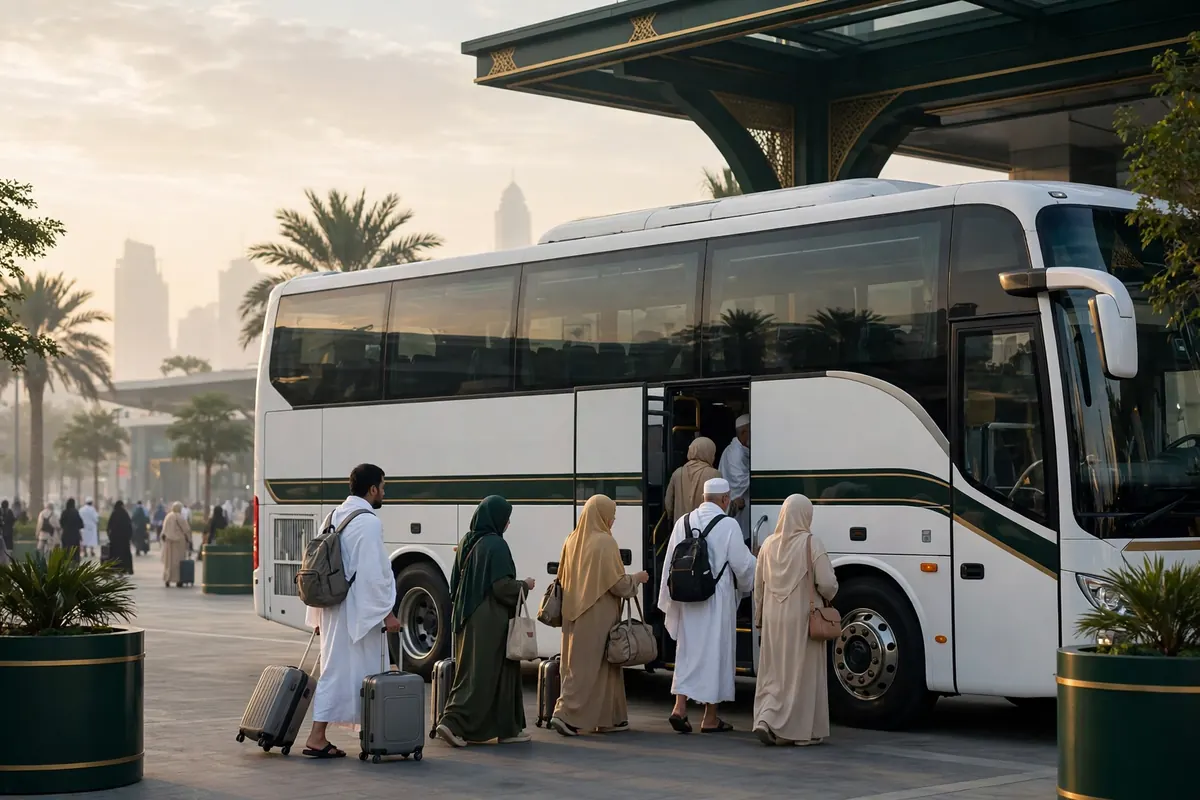
Both options include visa support, transfers in Saudi Arabia, and an experienced guide. The choice is not about which is better in general, it is about which fits your month, your health, and your budget.
Hotel Distance and Length of Stay
Where you stay matters more in some months than in others, and how long you stay should match the season.
In hot months, in Ramadan, and when you travel with elderly parents, a hotel close to the Haram is worth more, because every walk in the heat or through crowds is harder. In cool, quiet months, you can save money by staying a little further out, because the walk is pleasant and the Haram is less crowded. Do not choose a hotel by name from this guide, we do not name hotels here. Ask UAE Umrah which hotels are in your package for your month, and how far they are from the Haram.
Our own packages give you the length of stay: by bus, 6 days in Makkah and 2 days in Madinah; by air, 3 nights in Makkah and 2 nights in Madinah. That split gives you time for Umrah, for prayer, and for Ziyarat in both cities. If you want a longer stay, ask before you book, so your visa and hotel bookings match your dates. Remember that an Umrah visa is valid for 30 days from the date of issue under the 2026 rule, so do not apply too early.
For Ziyarat planning in each city, read our Makkah and Madinah Ziyarat Guide. For the rites themselves, read our How to Perform Umrah Step by Step guide before you travel.
Month-by-Month Guide
This table is a simple guide. Weather, crowds and prices are shown as low, medium or high compared with the rest of the year. Ramadan moves to a different month each year, so it is not fixed to one row in this table.
| Month | Weather | Crowds | Prices | Best for |
|---|---|---|---|---|
| January | Cool and pleasant | Medium | Medium | Comfortable weather, families |
| February | Cool to mild | Medium to high | Medium to high | Good weather, early Ramadan in some years |
| March | Mild to warm | Medium | Medium | Balance of weather and price |
| April | Warm | Medium | Medium | Moderate crowds, fair prices |
| May | Hot | Lower | Lower | Budget travel, before the Hajj days |
| June | Very hot | Lower | Lower | Lowest prices, heat tolerant pilgrims |
| July | Very hot | Lower | Lower | Budget travel, school holiday families who accept the heat |
| August | Very hot | Lower | Lower | Budget travel |
| September | Hot | Lower to medium | Lower to medium | Prices start to rise, still warm |
| October | Warm | Medium | Medium | Best balance, good weather returns |
| November | Mild | Medium | Medium | Families, elderly pilgrims |
| December | Cool and pleasant | High | Higher | Winter break families, best weather |
Note: Umrah is not performed during the days of Hajj, so check the Hajj dates before booking a trip around that time. Ramadan moves each year, so check the confirmed dates before planning around it.
How Early to Book, by Season
Book as early as you can, especially for Ramadan and December. For Ramadan, book four to six months ahead if possible. For winter and off-peak months, two to three months ahead is usually enough. UAE Umrah closes bookings 10 days before departure, and a 50 percent down payment secures your booking.
| When you want to travel | Book this far ahead |
|---|---|
| Ramadan, last ten nights | Four to six months ahead |
| Ramadan, first ten days | Four to six months ahead, a little easier than the last ten nights |
| December winter break | Two to three months ahead, earlier is better |
| Other winter months | Two to three months ahead |
| Off-peak summer months | Two to three months ahead, often easier at short notice |
Early booking also gives you a better choice of hotels. Late booking in Ramadan or December often means higher prices and fewer choices, even if a seat is still open.
How to Pick Your Month
Use this short checklist before you book:
- Decide what matters most: weather, price, or Ramadan.
- If you travel with children or elderly parents, choose November to February.
- If price matters most, choose June to September and travel by bus.
- If you want Ramadan, book months ahead and expect higher prices.
- Check your documents early. Your passport must be valid for at least 6 months, and your UAE residence visa or Emirates ID must be valid for at least 3 months. You also need a meningitis vaccination certificate.
- Remember that an Umrah visa is valid for 30 days from the date of issue under the 2026 rule, so do not apply too early. Read the full requirements on our visa information page.
- Book before the 10-day closing date. We close bookings 10 days before departure, and a 50 percent down payment secures your place.

If you are still unsure, message us and tell us who is travelling and what your budget is. We will suggest the best month for your situation.
Frequently Asked Questions
1. What is the best month to perform Umrah from Dubai?
For most pilgrims from Dubai, November to February is the best time for Umrah because Makkah and Madinah have mild, pleasant weather in those months. December is the most popular month, but it is also the busiest and most expensive. November and late January offer similar weather with fewer crowds and lower prices.
2. What is the cheapest month to perform Umrah from Dubai?
The cheapest months are usually June to September, when summer heat keeps many pilgrims away and hotels and flights cost less. October to mid-November and mid-January can also be good value, with milder weather than summer. Avoid Ramadan, December school holidays, and UAE public holidays if price is your main concern.
3. Is Umrah cheaper in summer?
Yes, Umrah is usually cheaper in summer, from June to September, because fewer pilgrims travel in the extreme heat. Hotels and flights often cost less in this off-peak season. The saving suits young, healthy pilgrims who can handle the heat. Families with small children and elderly pilgrims should avoid summer and choose the cooler months instead.
4. Can I perform Umrah during Ramadan?
Yes, you can perform Umrah during Ramadan, and it is the most rewarding month for Umrah. It is also the busiest and most expensive time, especially in the last ten nights. Hotels near the Haram fill up months ahead, so book early. UAE Umrah closes bookings 10 days before departure, so do not leave it to the last week.
5. What is the weather like in Makkah in winter?
Winter in Makkah, from November to February, is mild and pleasant. Daytime temperatures are usually in the high 20s to low 30s Celsius, and evenings are comfortable for walking and prayer. Madinah is similar, but nights there can feel cooler, so bring a light jacket for Fajr prayers. This is the most comfortable season for most pilgrims.
6. What is the weather like in Makkah in summer?
Summer in Makkah, from June to September, is very hot and dry, with daytime temperatures often reaching around 45 degrees Celsius or higher. The heat is tiring, especially for children and elderly pilgrims. Many pilgrims perform Tawaf and prayers at night in summer, when temperatures drop. Drink plenty of water, rest during the hottest hours, and avoid midday sun.
7. When is Umrah least crowded?
Umrah is usually least crowded in the weeks after Hajj, in late September, and in the second half of November, away from Ramadan and school holidays. Summer months are also quieter, but only because the heat is extreme. Within any day, Tawaf is easiest late at night and in the hours after sunrise, when fewer pilgrims are in the Haram.
8. Is December a good time for Umrah?
Yes, December is a good time for Umrah because the weather in Makkah and Madinah is cool and pleasant. It is the most popular month for families, so it is also busy and expensive, especially during the UAE winter school break. If your dates are flexible, early December or November gives similar weather at a lower price.
9. What is the best time for Umrah with elderly parents?
For elderly pilgrims, November to February is the best time for Umrah, outside the school holiday peak. The mild weather makes Tawaf, Sa’i, and walking between the hotel and the Haram easier. Avoid June to September, and avoid Ramadan crowds. Travel by air, choose a hotel near the Haram, and perform rituals late at night or after sunrise.
10. What is the best time for Umrah with children?
The best time for Umrah with children is November to February, when the weather is cool enough for children to walk and wait comfortably. December has the best weather, but it is also the busiest and most expensive month. November or late February gives similar weather at a lower price. Avoid the peak summer heat with small children.
11. How early should I book my Umrah package?
Book as early as you can, especially for Ramadan and December. For Ramadan, book four to six months ahead if possible. For winter and off-peak months, two to three months ahead is usually enough. UAE Umrah closes bookings 10 days before departure, and a 50 percent down payment secures your booking.
12. What is the best time of day to perform Umrah?
The best time of day to perform Umrah is late at night, after Isha, or in the hours after Fajr, when the Haram is calmer and the weather is cooler. In summer, night and early morning are the only comfortable times to walk outside. Avoid the peak hours from 5pm to 9pm, when Maghrib and Isha draw the biggest crowds.
Plan Your Umrah with UAE Umrah
Ready to choose your month? Message us on WhatsApp and tell us who is travelling and when you want to go. We will help you pick the best departure and the right package for your budget.
Message us on WhatsApp at +971 56 704 4355 or view all packages. UAE Umrah and Travels, Al Hana Center, Office 16, 2nd Floor, Al Mankhool Rd, Al Jafiliya, Dubai. Email: info@uaeumrah.com.
For your visa, check the Saudi eVisa portal and our visa information page. For your Rawdah permit in Madinah, book through Nusuk before you travel.
Follow UAE Umrah & Travels: Facebook | LinkedIn | Google Maps | Trustpilot



One Response